
Florida Springs Diving: An Overview
Jason Pickens Sep 11, 2026
You don't need a boat or an ocean to have one of the best dives of your life. Central Florida is sitting on some of the clearest water in the country, and it's all freshwater springs.
If you're new to diving here, the spring system can be confusing at first. Some sites are wide open to any certified diver. Others require special training. Here's a plain breakdown of what's out there and what to expect.
Why divers travel here for springs, not oceans
Florida's springs stay a consistent temperature year-round, right around 72°F, no matter what the weather's doing outside. Visibility on a good day can stretch 100 feet or more, since the water is filtered through limestone before it ever reaches the surface. That combination, stable temperature and excellent clarity, is why so many certification dives in this state happen in springs instead of the ocean.
It's also just different diving. You're not watching a reef. You're floating over sand boils, swimming past fossils, and in some spots, dropping into the mouth of a cave system that's been carved out over thousands of years.
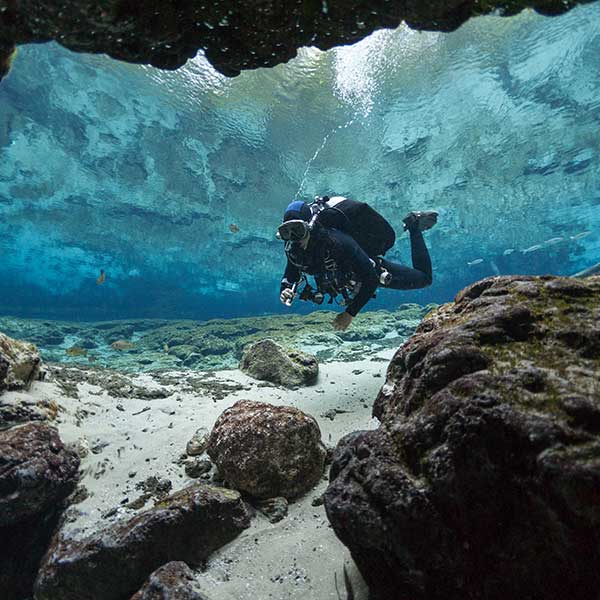 Ginnie Springs
, near High Springs, is one of the most popular dive destinations in the state, and for good reason. The main spring pool runs to about 55 feet, and the water is about as clear as freshwater gets.
Right next door is the Devil's Spring System, made up of three connected springs, Devil's Eye, Devil's Ear, and Little Devil, that together push out close to 80 million gallons of water a day. The cavern zone here is one of the few in Florida considered safe enough for certified divers without cave or cavern training to explore, as long as you stay within the cavern's daylight zone and follow the posted guidelines. Go any further into the cave system itself, and you'll need cavern or cave certification and a guide.
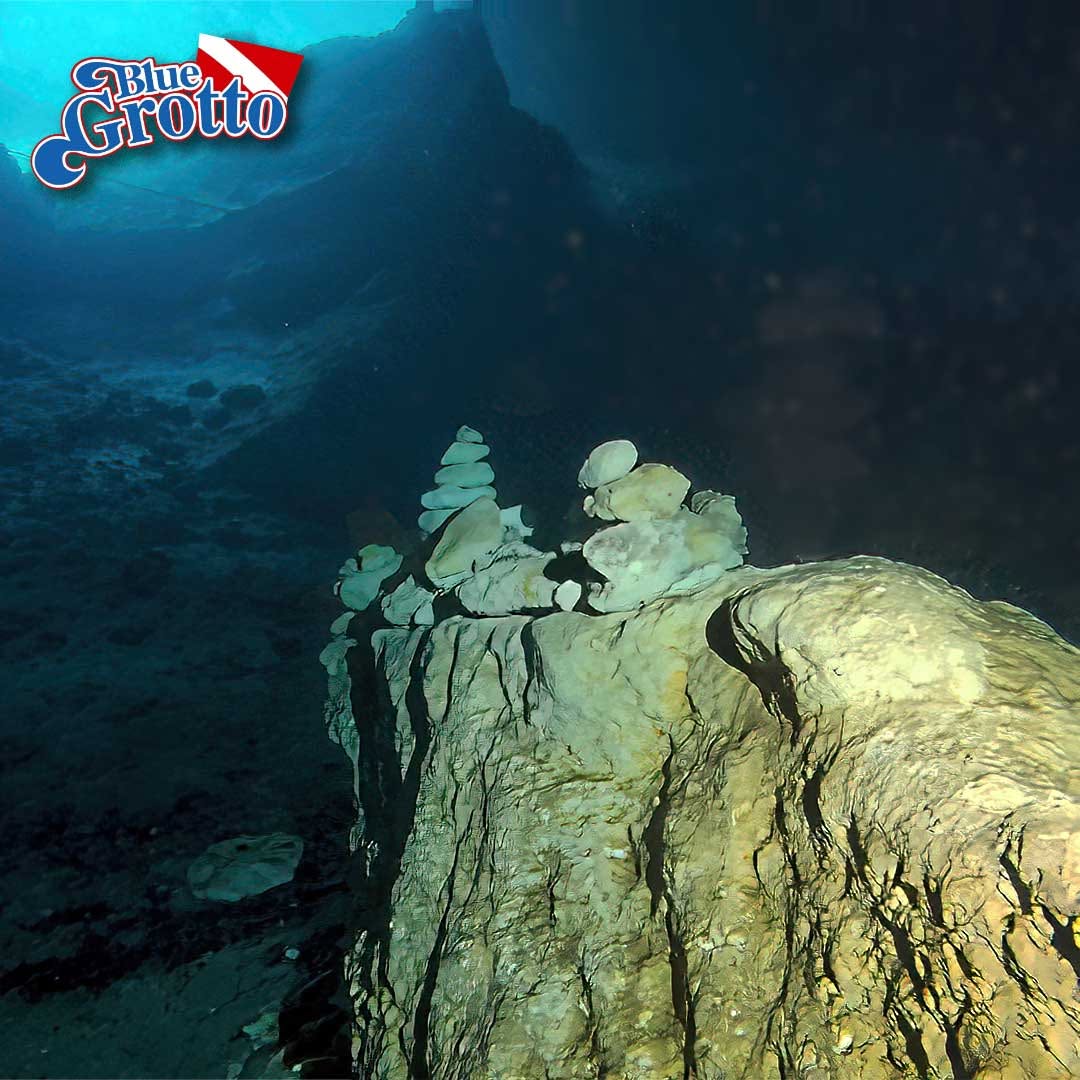 Blue Grotto
, in Williston, is built for training. Recreational dives here stay above 60 feet and within the daylight zone, which makes it a favorite for open water certification dives, refreshers, and just building confidence in a controlled environment. It's also open year-round with consistent visibility, which is part of why so many dive shops, us included, run certification dives there.
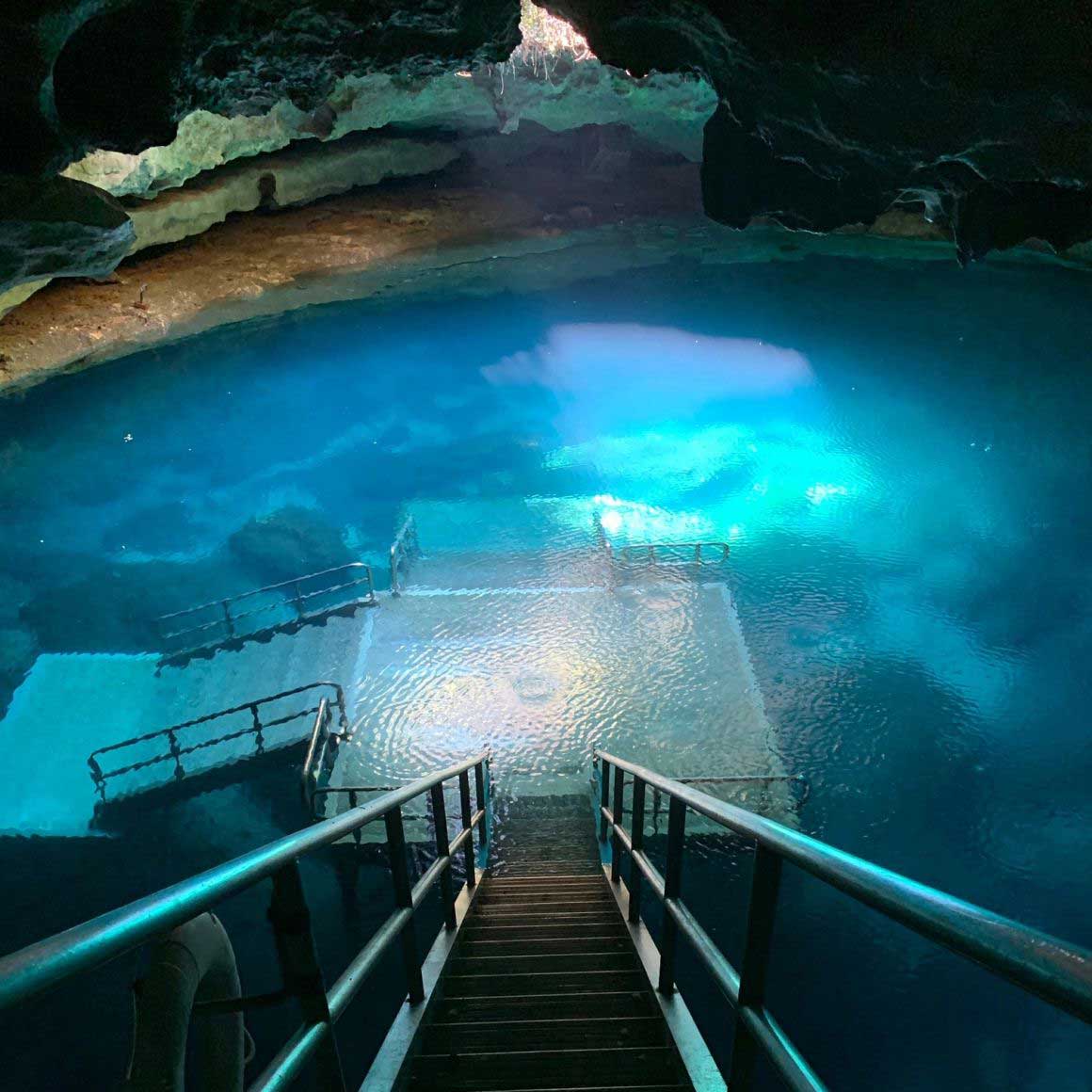 Devil's Den
 is unlike anything else on this list. It's an underground spring inside a dry cave, accessed by walking down a staircase into what looks like a sinkhole. The water itself only runs about 30 feet deep, but most of the site is an overhead environment, meaning there's a rock ceiling between you and the surface. It's a stunning dive, but it's also a good reminder that "shallow" doesn't always mean "beginner-friendly." Overhead environments call for extra awareness no matter the depth.
What this means if you're just starting out
If you're working toward your Open Water certification with us, there's a good chance your training dives will happen at Ginnie Springs or Blue Grotto. Both give new divers exactly what they need: predictable conditions, excellent visibility, and an environment where you can focus on skills instead of fighting current or poor visibility.
Once you're certified, springs diving opens up even more. Cavern and cave certifications let you go deeper into systems like Ginnie's Devil Spring, and Florida has more of those systems than almost anywhere else on Earth.
Not sure which certification path fits what you want to see underwater? Talk to us about your options and we'll point you toward the right springs for where you're at.
Sources: Divers Alert Network, Diving Florida's Springs, Ginnie Springs Outdoors, Devil's Spring System